
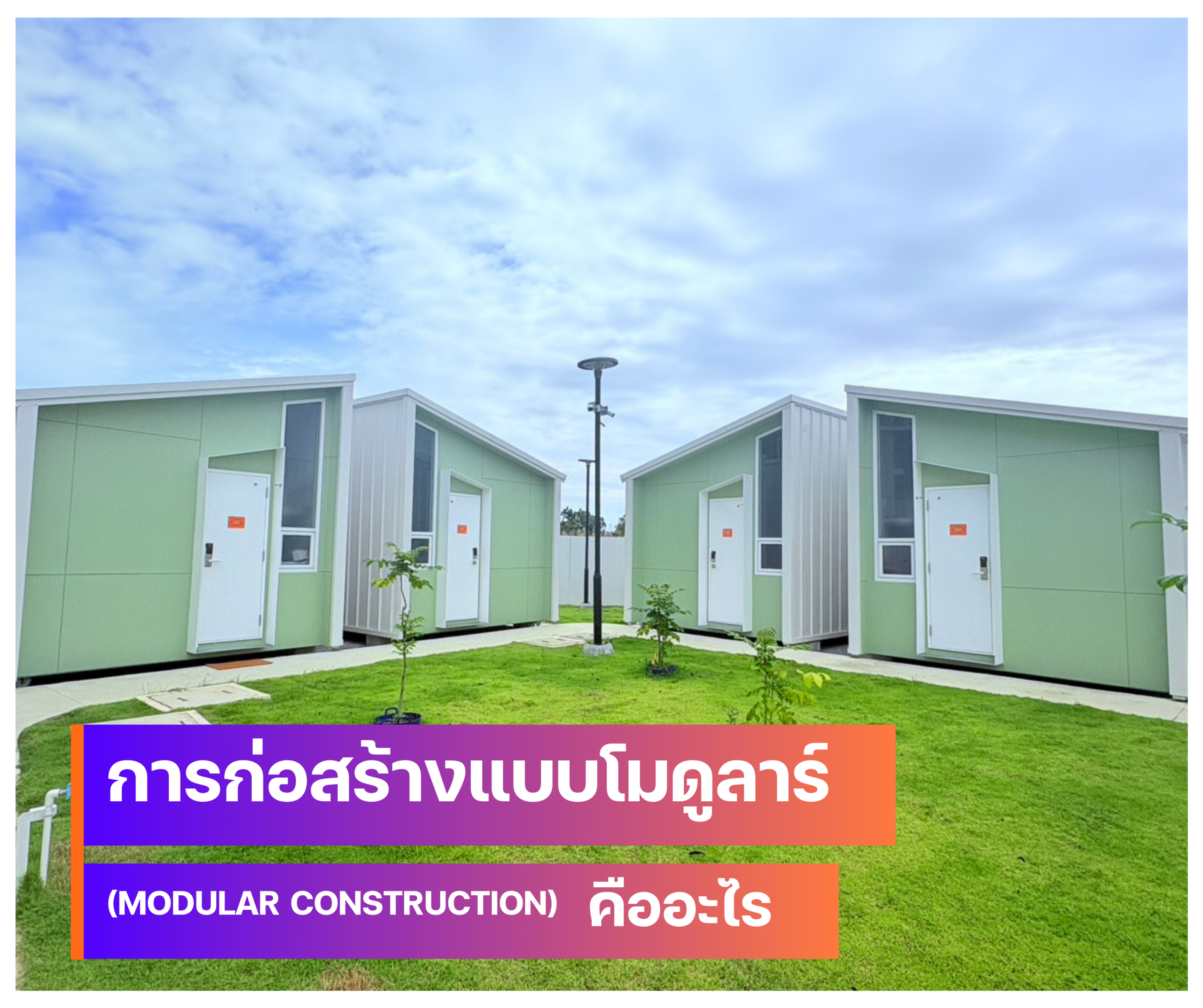
What is Modular Construction?
And why is it a rapidly growing trend today?
In recent years, Modular Construction has become one of the fastest-growing search terms in the construction and real estate industries. As businesses face:
Rising construction costs
Labor shortages
The urgent need for rapid project delivery
Traditional construction methods are no longer sufficient. Consequently, Modular Construction has clearly emerged as a primary alternative.
What is Modular Construction?
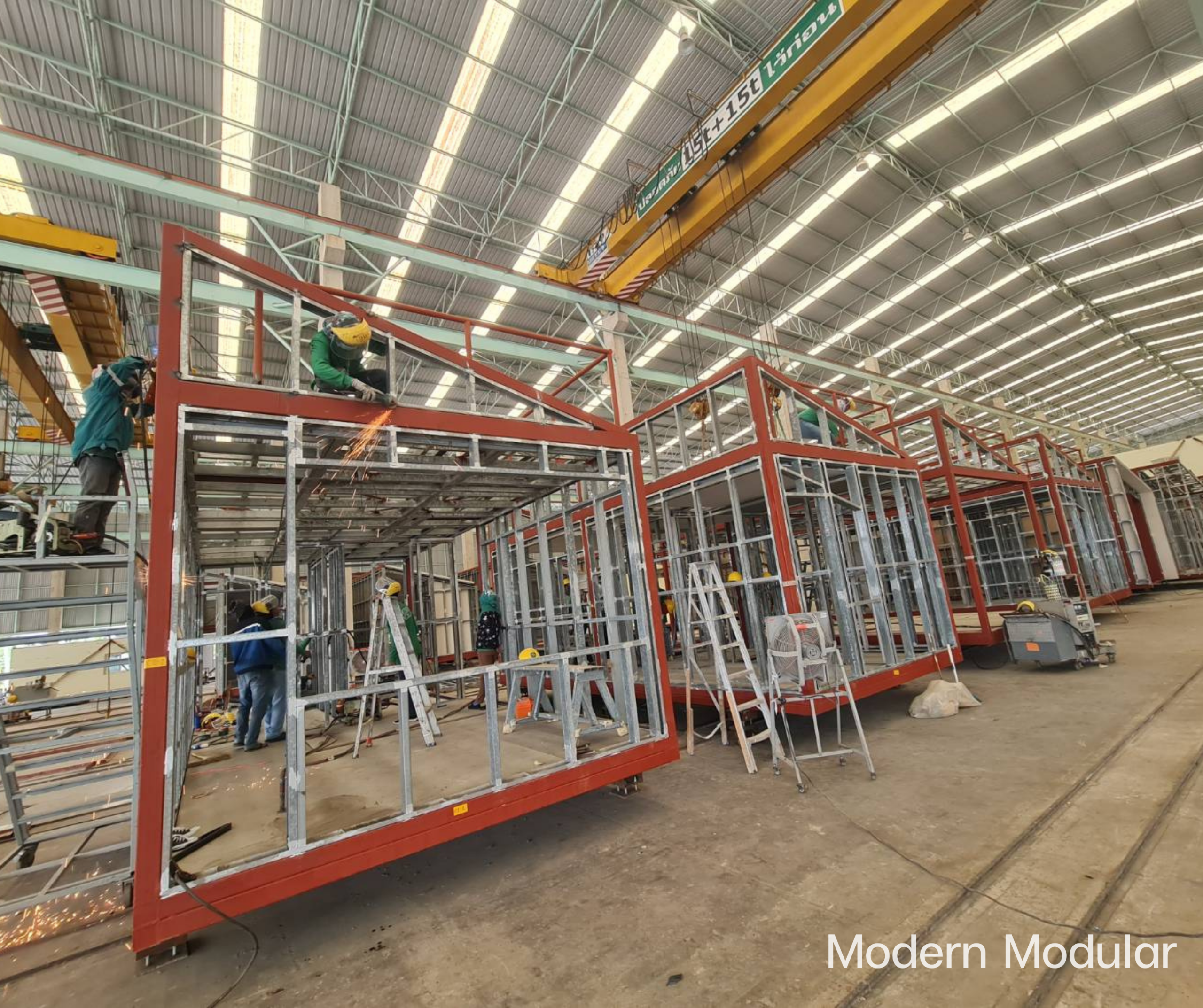
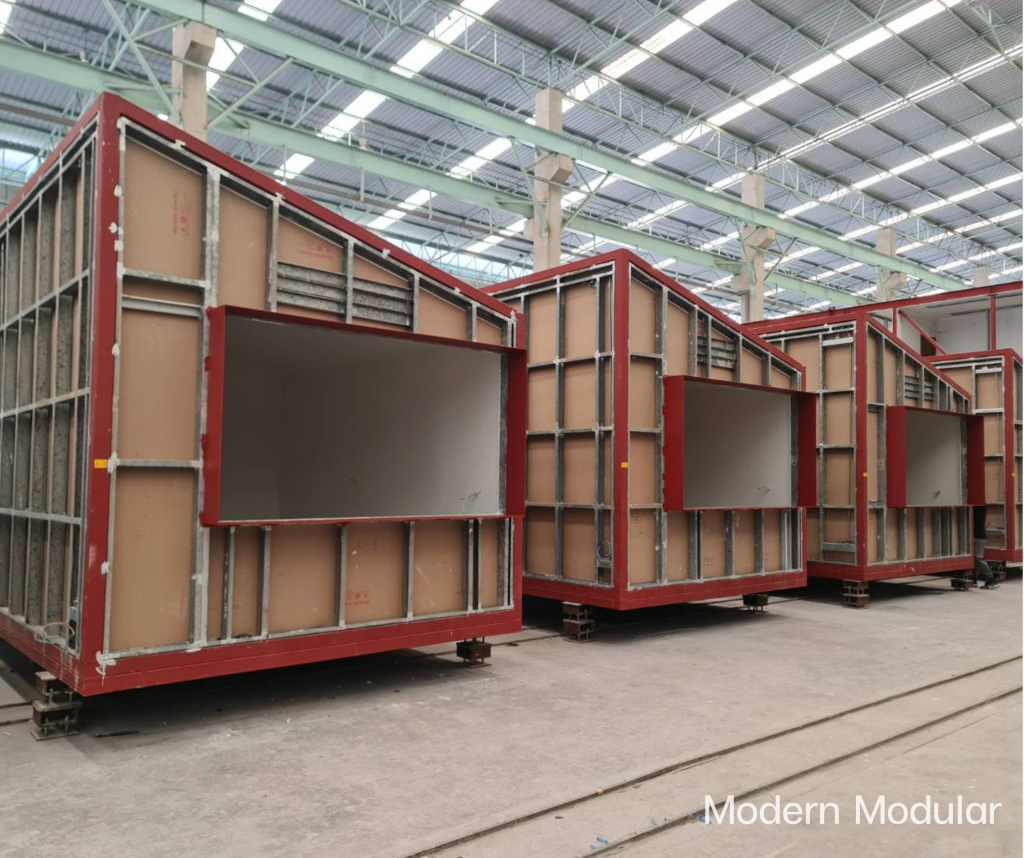
Modular construction is a process in which a building is constructed off-site, under controlled plant conditions (Off-site Construction), using the same materials and designing to the same codes and standards as conventionally built facilities. These “modules” can include:
Prefabricated Hotels
Prefabricated Apartments
Prefabricated Houses
Prefabricated Resorts
Prefabricated Offices
Prefabricated Shops/Cafes
Prefabricated Bathrooms
Prefabricated Guardhouses
Or entire building units
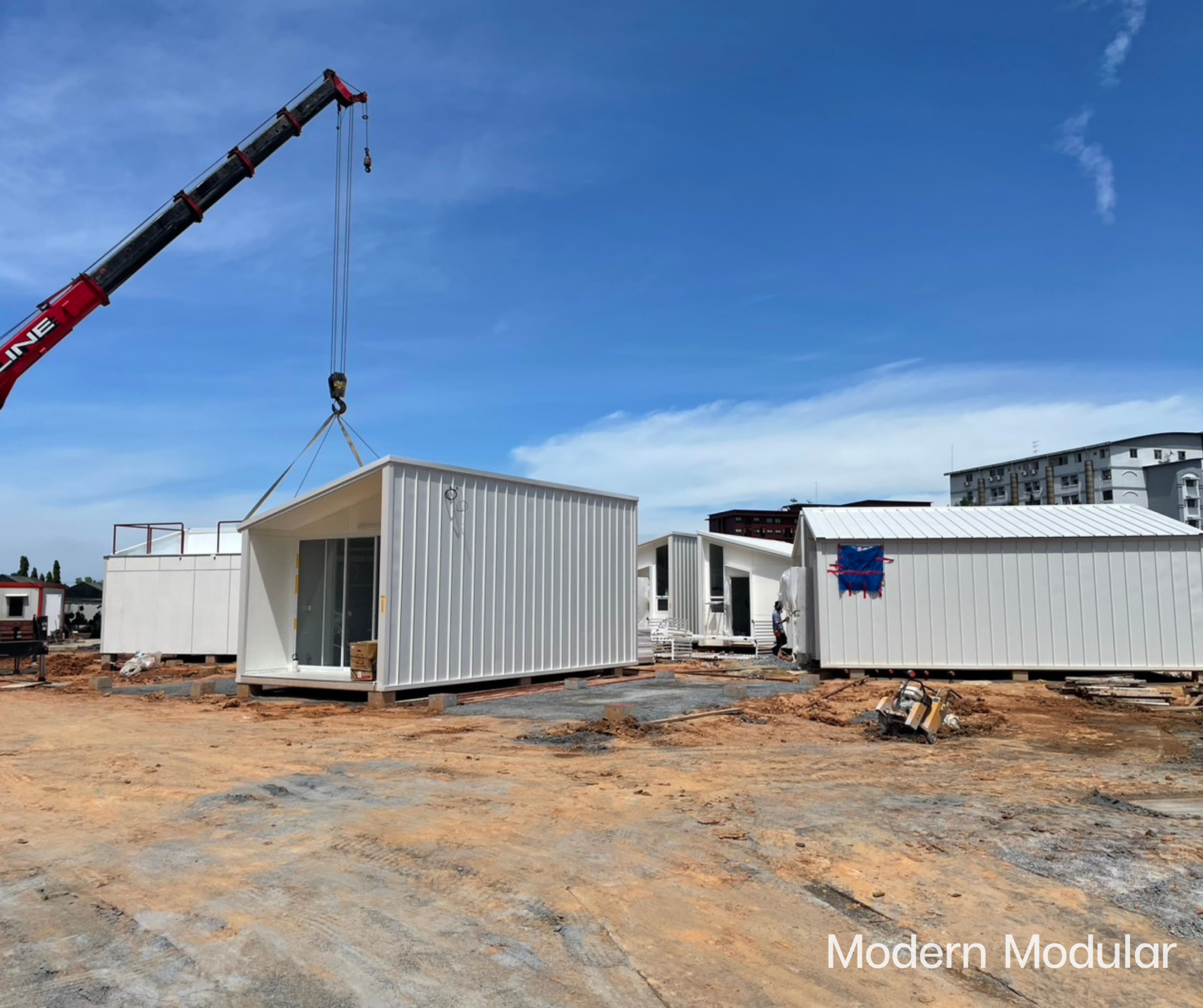
Once completed, these units are transported and assembled on-site in a short timeframe, reducing steps, time, and errors associated with traditional on-site construction.
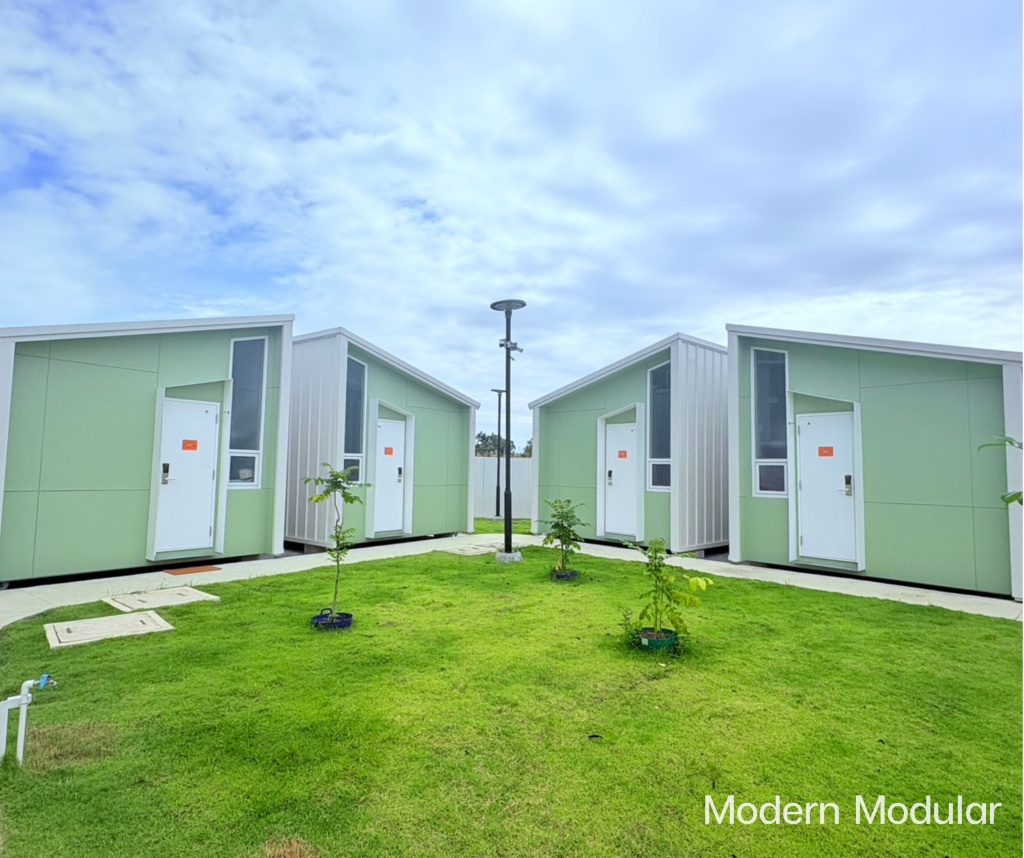
Key Advantages Driving the Trend
1. Accelerated Construction: Shortening Project Timelines Speed is the core strength of Modular Construction.
On-site foundation work and off-site module production can happen simultaneously.
Construction time is reduced by approximately 30–50%.
Buildings are ready for occupancy much faster than traditional builds. This is ideal for commercial projects where “Time” equals “Cost and Revenue.”
2. Precise Cost Control Manufacturing in a factory setting allows for:
Accurate budgeting from the start.
Minimizing budget overruns.
Reducing material waste.
Lowering on-site labor costs. This makes it highly suitable for an era of volatile material and labor costs.
3. Consistent Quality and Standards Modular buildings are produced in a controlled environment, shielded from weather conditions like rain or extreme sun. The results include:
Consistent quality across all units.
Easier inspection and quality control.
Fewer post-construction rectification issues.
4. Flexibility and Future Scalability Modular construction offers high adaptability:
Easy to add more buildings or units in the future.
Ability to dismantle, relocate, or repurpose specific sections.
Designs can be adjusted according to actual business usage. This is perfect for businesses requiring high operational flexibility.
What Buildings are Best Suited for Modular Construction?
Modular Construction is particularly ideal for:
Commercial buildings
Standalone stores
Hotels
Apartments
Clinics and Hospitals
Office buildings
Prefabricated homes
Especially for projects prioritizing speed of occupancy, budget control, and future expansion.
Modular Construction and Sustainability
Another reason for its rapid growth is its alignment with environmental and ESG (Environmental, Social, and Governance) trends:
Significant reduction in construction waste.
Efficient material utilization.
Minimized dust, noise, and community disruption.
Reduced site activity duration. Many organizations are choosing modular systems to enhance their long-term sustainability image.
Conclusion: Why Modular Construction is the Future
Modular Construction is not just a “passing trend” but an evolution of modern building systems. It addresses all critical business needs:
Speed
Cost Control
Quality
Flexibility
Sustainability
In today’s highly competitive market, those who can build faster and control costs more effectively will undoubtedly hold a significant advantage.
Have Any Question?
เราคงไว้ซึ่งความเป็นผู้นำระดับโลกด้านแนวคิดการออกแบบก่อสร้างและการผลิตอาคารในรูปแบบต่างๆตามแนวความคิดแบบโมดูลาร์ออกสู่ตลาดโลก
- 038-320150
- 094-4832389
- info@modular-thailand.com